Uncover the ultimate guide to discovering incredible gaming music in 2026. This comprehensive resource helps you explore vast soundscapes, from epic orchestral scores to catchy indie tunes. Learn about the best platforms, legal considerations, and community secrets for finding soundtracks that elevate your gameplay. Whether you seek background ambiance, high-energy battle anthems, or unique retro beats, this guide offers actionable insights. Dive deep into the evolving world of video game audio and enhance your gaming experience with perfect musical accompaniment. Explore strategies used by professional streamers and content creators to curate their signature sonic identities. Find out how new AI-driven music generation tools are shaping future soundscapes. Stay informed about trending artists and emerging genres in the vibrant gaming music scene. This essential handbook ensures you always have the perfect soundtrack for your next digital adventure.
how to find gaming music FAQ 2026 - 50+ Most Asked Questions Answered (Tips, Trick, Guide, How to, Bugs, Builds, Endgame)Welcome to the ultimate living FAQ for finding gaming music in 2026! The world of video game soundtracks is more vibrant and accessible than ever before, with new games constantly pushing the boundaries of audio design. This guide is your go-to resource, updated with the latest tips, tricks, and insights to help you discover, enjoy, and even legally use your favorite gaming tunes. Whether you're a casual player looking for background ambiance or a content creator navigating complex copyright rules, we've got you covered. From understanding the best platforms to leveraging cutting-edge AI tools, prepare to elevate your auditory gaming experience. Let's dive into the most asked questions and unlock the incredible soundscapes that define modern gaming.
Beginner Questions
How can I find the soundtrack for a specific video game?
The easiest way is to search on major streaming platforms like Spotify, Apple Music, or YouTube Music using the game's title. Most official soundtracks are available there. You can also check the game developer's official website or the game's credits for composer information.
Where can I listen to video game music for free?
YouTube is a vast resource for free game music, often featuring official uploads, fan compilations, and remixes. Spotify and Apple Music also offer free tiers with ads for streaming many soundtracks. Some game developers provide free downloadable tracks or OST samplers on their websites.
What are popular websites or apps for discovering new game music?
Beyond mainstream streaming, explore Bandcamp for direct artist support and indie titles. Websites like VGMdb serve as comprehensive databases. Dedicated subreddits like r/gamemusic and communities on Discord are excellent for personalized recommendations and discussions.
Is it legal to use game music in my YouTube videos or Twitch streams?
Generally, most game music is copyrighted. Using it without explicit permission or a license can lead to copyright strikes. Always check the game publisher's content creation guidelines, as some offer creator-friendly music policies or royalty-free tracks for streamers.
Discovery Platforms & Tools
Which streaming services have the best selection of game soundtracks?
Spotify and Apple Music lead with extensive official game soundtrack libraries. YouTube Music is also strong, especially for user-generated content and older titles. For high-fidelity and indie releases, Bandcamp is an invaluable platform where many composers directly sell their work.
Are there any AI tools that help find or create gaming music in 2026?
Yes, AI is advancing rapidly in 2026. Tools like Soundraw or AIVA can generate royalty-free background music for content. For discovery, advanced recommendation algorithms on major streaming services use AI to suggest tracks based on your listening habits and game preferences, increasingly identifying mood and genre.
How do I find music from obscure or retro games not on main platforms?
For obscure or retro titles, delve into specialized databases like VGMdb, which extensively catalogs game music. YouTube channels dedicated to retro game OST archiving are excellent. Niche forums and communities on Reddit (e.g., r/VGM) often share rare finds and discussions.
What is Materia Collective and how does it help find game music?
Materia Collective is a record label and community dedicated to video game music. They license, arrange, and release official and fan-made albums, often collaborating with composers. It's a fantastic source for high-quality, often reimagined, game soundtracks and provides a platform for discovering new artists.
Legal & Copyright Issues
Myth vs Reality: All game music is fair game for content creators.
Reality: This is a common misconception. Most game music is copyrighted intellectual property. While some companies have relaxed policies for non-commercial use or offer specific royalty-free tracks, assuming 'fair use' for monetized content is a high-risk strategy. Always seek explicit permission or use licensed music.
How can I get permission to use copyrighted game music in my projects?
Contacting the game publisher or the music's rights holder (often the composer or their label) directly is the official route. This can be time-consuming and may involve licensing fees. Alternatively, use music from royalty-free libraries or tracks explicitly provided by publishers for content creators.
Genre Specifics & Niche Finds
How can I find epic orchestral scores for RPGs or fantasy games?
Search for terms like 'epic fantasy soundtrack,' 'RPG OST,' or 'orchestral game music' on streaming platforms. Many RPGs feature prominent scores, so searching by game title (e.g., Final Fantasy, Elder Scrolls) is effective. Explore dedicated YouTube channels and curated playlists focusing on these grand genres.
Where can I discover upbeat electronic or chiptune music for indie games?
Bandcamp is a goldmine for indie game music, with many developers directly uploading their soundtracks. Search for 'chiptune OST,' 'synthwave game music,' or 'indie game soundtrack.' Dedicated communities and blogs often highlight these niche genres. SoundCloud also hosts many electronic remixes.
Community & Fan Creations
What are the best communities for discussing and sharing game music?
Reddit hosts vibrant communities like r/gamemusic, r/VGM, and r/ost, perfect for sharing and discovering tracks. Discord servers dedicated to specific games or game music often have active members sharing recommendations and fan creations. VGMdb also includes forums for discussion.
Myth vs Reality: Fan-made game music is always lower quality than official releases.
Reality: This is largely a myth. The fan music community, especially on platforms like OverClocked ReMix (OC ReMix) or YouTube, features incredibly talented musicians producing high-quality arrangements, remixes, and covers. Often, these fan creations offer unique interpretations and even exceed the production value of some official tracks.
Advanced Sourcing & Pro Tips
How do I find royalty-free or stream-safe music for my Twitch channel?
For streamers, services like Epidemic Sound, Artlist, StreamBeats, or NCS (NoCopyrightSounds) offer vast libraries of licensed music specifically for content creators. These platforms ensure your stream or videos are free from copyright strikes. Always double-check their specific licensing terms for use.
Myth vs Reality: Diving into game files is illegal for finding music.
Reality: Extracting music from game files for personal listening is generally not illegal. However, redistributing those files publicly or using them in monetized content without permission likely violates copyright and terms of service. It's a gray area; use for personal enjoyment only, and don't share commercially.
Myth vs Reality
Myth vs Reality: You can always use game music if you credit the artist.
Reality: While crediting the artist is good practice, it does not grant you the legal right to use copyrighted music. Licensing is about permission, not just attribution. Proper credit is important, but it doesn't bypass copyright law or prevent potential strikes if you haven't secured the necessary rights.
Myth vs Reality: All music on YouTube that is 'game music' is fine for streams.
Reality: Many YouTube videos featuring game music are uploaded by fans or unofficial channels. These may not have proper licensing. Just because it's on YouTube doesn't mean it's free to use for your commercial content. Always look for official publisher channels or confirmed royalty-free sources.
Future Trends & What's Next
What innovations are expected in game music discovery by 2026?
By 2026, expect enhanced AI-driven personalization, with platforms suggesting music based on your in-game behavior and emotional responses. More interactive and adaptive soundtracks will become standard, with music evolving alongside your gameplay. Virtual concerts and immersive auditory experiences within game metaverses are also on the rise.
Still have questions?
Check out our related guides on 'Optimizing Game Audio Settings for Immersion' or 'The Ultimate Guide to Stream-Safe Music Libraries for Content Creators!'
Have you ever found yourself immersed in an epic game, only to realize the music is absolutely carrying the experience, making every moment more intense and memorable? Many gamers, including seasoned pros and casual players alike, often ask, "How do I find that incredible gaming music outside of the game itself?" It's a fantastic question, especially as the gaming industry evolves and soundtracks become more sophisticated and accessible in 2026. Just like a celebrity's latest hit single, game music often goes viral, becoming an instant classic in its own right.
Finding the perfect gaming music elevates your experience, whether you are grinding through an RPG, clutching in a Battle Royale, or strategizing in a MOBA. The right audio environment can turn a good session into an unforgettable one. We've seen a massive surge in dedicated platforms and communities purely focused on game soundtracks. This guide will help you navigate this rich landscape.
Understanding the Gaming Music Landscape in 2026
The world of gaming music has expanded dramatically over the past few years. We are now in an era where game soundtracks are often released as standalone albums, gaining critical acclaim. Major streaming services have dedicated sections for video game scores, a trend that continues to grow exponentially. Publishers recognize the immense value of their intellectual property beyond the game itself.
New AI-driven sound design and music generation tools are also emerging in 2026, offering unique, procedurally generated ambient tracks or helping composers streamline their creative process. These innovations mean a constant influx of fresh and diverse audio content for enthusiasts to discover and enjoy. The industry is truly buzzing with sonic possibilities. Understanding these shifts is key.
Your AI Engineering Mentor's Guide to Gaming Music Discovery
Alright team, let's talk about how to really dig into finding those awesome game tunes. I get why this confuses so many people; there's just so much out there. But trust me, once you've got a system, it's incredibly rewarding. Think of it like optimizing your game settings for the best FPS, but for your ears! We're going to break down the process, from basic searches to advanced frontier techniques in 2026.
Beginner / Core Concepts
1. Q: Where should I start looking for popular game soundtracks if I'm new to this whole scene?
A: You're asking a great foundational question that many people grapple with, and it's super common. The absolute best starting point is to hit up major music streaming platforms like Spotify, Apple Music, and YouTube Music. These services have vast libraries and often feature dedicated playlists curated specifically for video game soundtracks. Just type in the game's title or "video game soundtrack" and you'll find a treasure trove. Most major game releases have their official scores available there almost immediately after launch, sometimes even pre-release in 2026. It's like finding a walkthrough for your favorite RPG, but for music. You've got this!
2. Q: What are the easiest ways to identify a song playing in a game that I really like?
A: This one used to trip me up too, especially with those obscure Indie titles! The simplest method is to check the game's official credits menu; composers and track titles are often listed there, sometimes even with links. Another fantastic trick is using music recognition apps like Shazam or SoundHound on your phone while the game plays the track. In 2026, some game streaming platforms are integrating AI audio recognition directly into their overlay interfaces, providing instant track information. Remember, even a quick Google search for "[game title] soundtrack list" can yield immediate results. Don't let a great tune escape you!
3. Q: Is it legal to use gaming music in my personal streams or YouTube videos?
A: Ah, the classic copyright conundrum, a critical area where many content creators face lag or stuttering issues if not addressed properly. The short answer is: usually, no, not without permission. Most game music is copyrighted, meaning you need a license to use it in publicly broadcast content like streams or YouTube videos. Relying on fair use is risky. However, many game publishers offer specific "creator-friendly" music policies, or even provide royalty-free music packs for their titles, especially for their Battle Royale or MMO communities. Always check the game's official website or publisher guidelines, often found in their press kit section, before you go live. It prevents future headaches. Be smart about this one!
4. Q: How can I find music from older or more obscure retro games?
A: Finding retro game music can be a fun quest, a bit like speedrunning an old classic! You're likely not going to find every NES tune on Spotify. For these gems, specialized websites like VGMdb, which is a database for video game music, are invaluable resources. YouTube channels dedicated to archiving retro game OSTs are also fantastic. Many passionate communities on Reddit, specifically r/gamemusic, often share links and files for older, hard-to-find tracks. In 2026, we're seeing some AI upscaling projects trying to remaster classic game audio, giving old tunes a fresh lease on life. It's all about knowing where the dedicated fans gather. Happy hunting!
Intermediate / Practical & Production
5. Q: What are the best platforms dedicated solely to video game music, beyond general streaming services?
A: This is where you really start to dive deep, moving past the casual listener. For dedicated gaming music, Bandcamp is a powerhouse. Many indie game developers and composers release their soundtracks directly there, allowing you to support them directly and often download high-quality lossless files. Think of it as a premium build for your audio library. Websites like Materia Collective and Sumthing Else Music Works specialize in licensing and distributing game soundtracks. Plus, platforms like SoundCloud host countless remixes and unofficial covers, often by talented fans. You're entering a realm of true connoisseurs. Keep exploring, you'll uncover some incredible soundscapes.
6. Q: How do professional streamers and content creators find and manage their music libraries?
A: Pros definitely don't rely on random playlists; they're very strategic, just like their in-game loadouts. Many use specialized royalty-free music services such as Epidemic Sound, Artlist, or StreamBeats (by Harris Heller). These services offer vast libraries of licensed music specifically for creators, eliminating copyright worries. They also use tools like OBS Studio's audio mixers to manage multiple sound sources and ensure game audio and music levels are balanced. Building custom playlists and categorizing tracks by mood or genre is essential for smooth transitions during streams. It's about maintaining a seamless, branded audio experience without any unexpected ping spikes. Smart planning is key here!
7. Q: What role do game composers and sound designers play in discoverability, and how can I follow them?
A: Composers and sound designers are the unsung heroes, the masterminds behind the scenes, often as crucial as the game's core strategies. Following them is a direct path to new music! Many maintain active presences on social media platforms like Twitter, Instagram, and Mastodon, sharing updates on their current projects and new releases. Websites like VGMdb also link directly to composer profiles and discographies. Subscribing to their Patreon accounts or newsletters can offer exclusive insights, early access to tracks, or even sheet music. In 2026, some even host interactive sessions in VR spaces, discussing their creative process. Supporting the artists directly is a win-win. Don't miss out on these incredible talents!
8. Q: Are there communities or forums specifically for discussing and sharing gaming music?
A: Absolutely! Just like a thriving guild in an MMO, these communities are treasure troves of information and recommendations. Reddit has several active subreddits like r/gamemusic, r/VGM, and r/ost, where users share new finds, classic tracks, and discuss their favorite scores. Discord servers dedicated to specific game franchises or genres often have music channels. VGMdb also has an active forum section. These platforms are fantastic for discovering niche genres, obscure tracks, and getting personalized recommendations from fellow enthusiasts. Engaging with these communities can seriously boost your music discovery efforts. It's a great way to find your next favorite track!
9. Q: How can I ensure the gaming music I find is high quality and not a low-bitrate rip?
A: This is crucial for any audiophile; you want that crisp, clear sound, not something that sounds like it's lagging. Always prioritize official releases on platforms like Bandcamp, Apple Music, or official game soundtracks on Spotify/Tidal, as these typically offer higher fidelity. Look for lossless formats like FLAC or ALAC if you're purchasing downloads. Many composers offer high-resolution files directly from their websites. Avoid unofficial YouTube rips or sketchy download sites if sound quality is a priority. Using the game's in-game sound test or music player (if available) can also sometimes yield better quality audio. Invest in quality if you truly appreciate the sound! That's a pro tip for your audio build.
10. Q: What tools or software can help me organize and manage my growing gaming music collection?
A: As your collection grows, organization becomes key, preventing those frustrating moments of searching endlessly. For local files, applications like foobar2000 (PC) or MusicBee (PC) offer robust library management features, allowing you to tag, categorize, and sort your music effectively. On mobile, apps like Poweramp (Android) or default music apps (iOS) work well. For streaming playlists, leverage the organizational features of Spotify or YouTube Music to create themed collections, perhaps by game genre (RPG, FPS, MOBA) or mood. Consider cloud storage solutions for backups. Keeping your library tidy ensures a smooth listening experience, just like a well-organized inventory in your favorite game. It's about reducing clutter and optimizing your flow.
Advanced / Research & Frontier 2026
11. Q: How are AI and machine learning influencing gaming music creation and discovery in 2026?
A: This is where things get really exciting, pushing the frontier of what's possible! AI is becoming a game-changer. In 2026, advanced models like o1-pro and Gemini 2.5 are being used to procedurally generate dynamic, adaptive soundtracks that react in real-time to player actions and in-game events, creating unique auditory experiences every time. For discovery, AI recommendation engines are getting incredibly sophisticated, not just suggesting similar tracks but predicting what music you'll love based on your play style and mood data. Some AI tools can even analyze game footage and suggest appropriate licensed music. This isn't just theory; it's actively being implemented in some cutting-edge titles. It's like having a super intelligent guide for finding your next favorite tune, constantly learning and adapting. The future is now, and it's sounding amazing!
12. Q: What are "adaptive soundtracks" and how can I find games that feature them?
A: Adaptive soundtracks are brilliant; they're not just static loops. They dynamically change based on what's happening in the game – think music intensifying during a boss fight, or becoming ambient when you're exploring. This adds so much immersion. Games featuring these often highlight it in their sound design features during marketing, so look for terms like "dynamic music," "procedural audio," or "interactive score" in reviews or game descriptions. Many Indie developers, using engines with advanced audio middleware like Wwise or FMOD, are pioneers in this space. Keep an eye on titles from studios known for their innovative sound design. It's a real leap forward in how music integrates with gameplay, offering a unique sonic journey every time you play. It's like having the game's music evolve with your every WASD movement.
13. Q: Beyond official releases, how can I uncover fan-made remixes, covers, or unofficial expansions of game music?
A: This is where the passion of the community truly shines, adding incredible depth to the gaming music ecosystem! YouTube and SoundCloud are your primary hubs for these. Search for "[game title] remix," "[composer name] cover," or "[game title] fan album." Websites like OverClocked ReMix (OC ReMix) are legendary for their high-quality, fan-arranged game music. These are often labor-of-love projects by incredibly talented musicians. You'll find everything from orchestral arrangements to chiptune covers. Engaging with game-specific communities on Discord or Reddit will also often lead you to these fantastic unofficial creations. It's a testament to how deeply game music resonates with players, inspiring new forms of artistic expression. Dive into this vibrant world; you won't be disappointed!
14. Q: How can I contribute to or support the gaming music community and its artists directly?
A: Supporting the artists directly is a powerful way to ensure the continued creation of amazing game music. Many composers have Patreon accounts where you can pledge monthly support for exclusive content or early access. Buying official soundtracks on Bandcamp or through services like iTunes/Google Play ensures artists receive a fair share. Attending virtual concerts or Q&A sessions hosted by composers is another great way to show appreciation. Simply sharing their music on social media and tagging them can significantly boost their visibility. Participating in fan communities and spreading the word about talented artists helps everyone. Your support fuels their passion, ensuring a steady stream of incredible tunes for years to come. Every little bit helps these creative minds keep pushing the boundaries.
15. Q: What are the predicted trends for gaming music discovery and interaction by 2030?
A: Looking towards 2030, we're talking about some exciting, almost sci-fi level advancements. I predict deep integration of generative AI music within games, possibly allowing players to customize their own real-time soundtracks dynamically, adapting not just to action but to player psychological states, measured via biometric data. We'll likely see more metaverse-based virtual concerts and interactive music experiences directly within game worlds, transforming how we consume and engage with game audio. Think immersive VR experiences where you're not just listening, but *interacting* with the music in 3D space. Blockchain technology might also play a role in transparent artist royalties and unique music asset ownership. Discovery will be hyper-personalized, almost anticipating your preferences before you even know them. The future of gaming music promises an unparalleled level of immersion and personalized auditory delight. It's going to be wild!
Quick 2026 Human-Friendly Cheat-Sheet for This Topic
- Hit up Spotify/Apple Music for official game soundtracks and curated playlists.
- Use apps like Shazam or check in-game credits to identify specific tracks.
- Always verify copyright status before using music in your streams or content.
- Explore Bandcamp and Materia Collective for indie and direct-from-artist music.
- Follow your favorite composers on social media for new releases and insights.
- Join Reddit communities like r/gamemusic for recommendations and discussions.
- Consider royalty-free music services if you're a streamer or content creator.
- Prioritize official releases for the best sound quality.
- Leverage AI-driven tools and dynamic soundtracks for the most immersive experiences.
- Support artists directly through Patreon or by purchasing their music.
Discovering gaming music is easier than ever with 2026 tools. Explore dedicated streaming platforms and community forums for unique soundtracks. Understand copyright to use music legally in streams and content. Leverage in-game sound test options for quick track identification. New AI music tools offer personalized recommendations. Follow game developers and composers directly for early access. Utilize advanced search techniques across major music services. Engage with gaming music communities on platforms like Discord and Reddit. Consider royalty-free libraries for content creation. Dive into game files for hidden gems and unreleased tracks. Curate personalized playlists to match your gaming moods.
34

Top Hits 2026 Trending Songs 2026 Top Songs 2026 Top Music . Top 10 Most Anticipated Games Of 2026 What To Watch Out For GAMES IN 2026 . Gaming Music 2026 Best NCS Songs Music Mix Electronic House Best . How To Watch March Madness Live On TV 2026 DIRECTV Insider March Madness . All Five Nights At Freddy S Music Roblox ID Codes For February 2026 How To Use FNAF Music Codes In Roblox


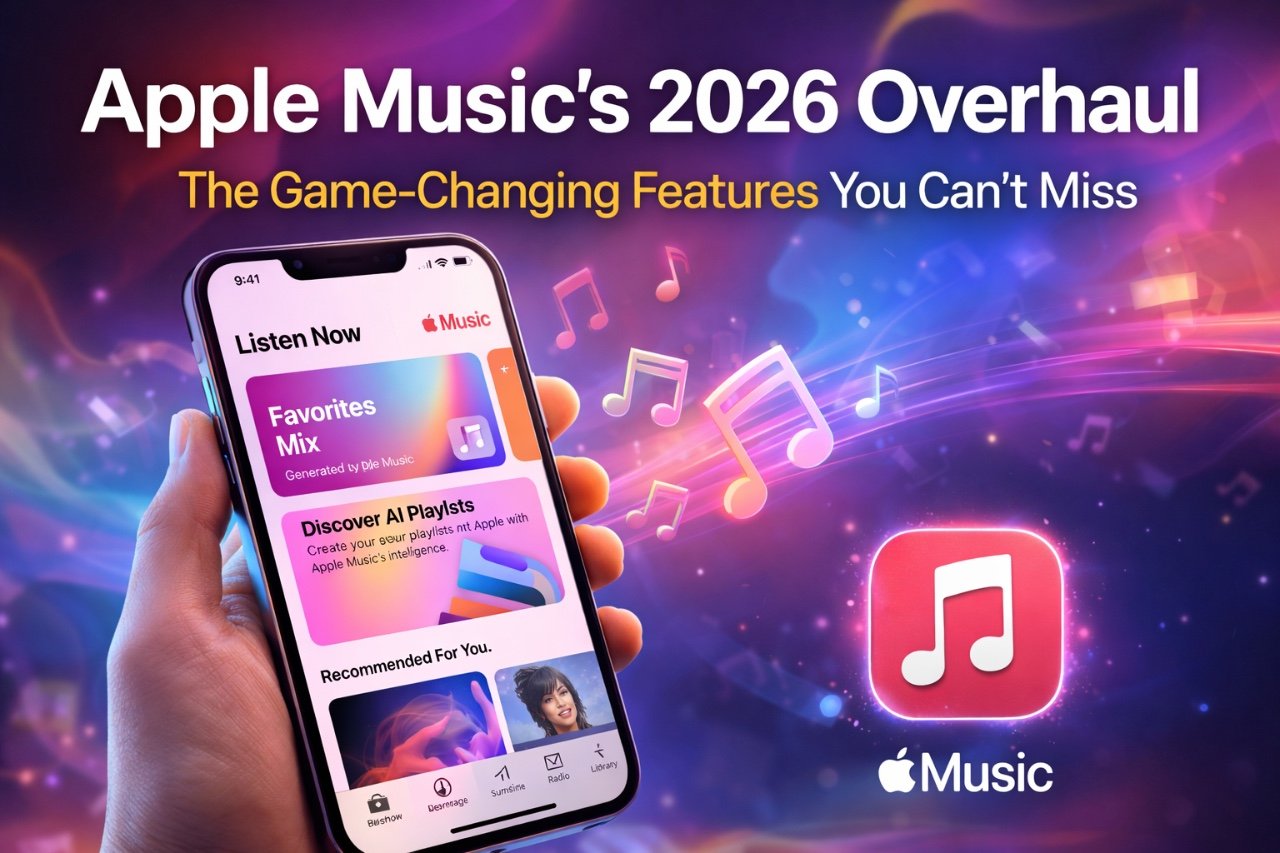
Fortnite S Disney Hercules Skins Drop March 28 Prices Bundle And Screenshot 2026 03 28 143145 1 . TOP 21 NEW Upcoming Games Of 2026 YouTube . Apple Music 2026 Update AI Playlists Karaoke And More Geeky Gadgets Apple Music . Let S Sing 2026 Standalone PlayStation 5 LS26 Tracklist Layout UK 1200x1200 . Gaming Music For Videos Find A Gaming Soundtrack That S Safe To Use Gaming Music For Videos



Top 10 Gaming Music 2024 Best For Bgmi Part 1 YouTube . Gaming Music 2023 1 Hour Gaming Music Mix Copyright Free Music . The Ultimate Free Music Tech Resources Guide 2025 2026 Midnight Music Ultimate Guide Cover 2025 2026 800 . How To Submit Your Music For The 2026 GRAMMYs Deadlines Webinars Music Educator Award 2026 Grammys Grammy Museum Recording Academy Semi Finalists GRAMMY.com Hero.webp. Best Songs 2026 Playlist Spotify Hits 2026 Trending Music 2026


Gaming Music 2023 1 Hour Gaming Music Mix Copyright Free Music . Building 2026 Billboard Year End Hot 100 Chart Week 16 Charts 2026 Year End Hot 100 Songs Week 6 . Gaming Music 2023 Best Music Mix Best Of YouTube . NEW MUSIC HOTLIST 2026 Eure Zuk Nftigen Lieblings Acts F R 2026 DASDING Music 2026 Hotlist 102~ V 16x9@2dL . How To Submit Your Music For The 2026 GRAMMYs Deadlines Webinars Grammy U 2026 Grammys Submissions Online Entry Process OEP GU 20 Years Hero 1644x925


FIFA World Cup 2026 Song One Dream YouTube Music . Inspiring Songs For Gaming 2026 Top 30 Music Mix Best EDM NCS . Music Trends 2026 Hybrid Sounds Nostalgia AI 2400x1350 JOB 1927 Blog 1 . Music Festivals 2026 Lineups Dates Locations And Everything You Need. Steal A Brainrot Taco Tuesday Times October 14 2025 Everything You Roblox Music Codes


Gaming Music Live 24 7 Best Music For Relaxing Gaming . Top Music 2026 New Songs Best English Songs Best Pop Music Playlist . 100 Roblox Music Code ID S 2026 WORKING AFTER UPDATE . February 2026 Gig Guide Laneway Festival 2026 FEB Live Music Australia Gig Calendars And Music Festivals 1200x1200 . How To Wait In Crimson Desert Crimson Desert How To Wait


Valve Hardware 2026 Steam Frame Steam Machine Und Steam Controller Xgp 2026 01.webp. 2026 Country Music 533483393 N . Best Dive Watch In 2026 Including Rolex Tudor Omega And More Stuff Best Gaming Consoles Hero Image . Spotify Pop Hits 2026 Lady Gaga Bruno Mars Ed Sheeran Billie