Navigating the world of PC building for video editing can feel like a complex quest, especially when you're a gamer who also needs a powerful workstation. This comprehensive guide simplifies the process, offering practical advice for assembling a high-performance video editing PC build tailored for creators in 2026. We'll cover everything from selecting the right CPU and GPU to optimizing RAM and storage, ensuring your rig handles 4K footage and demanding software like Premiere Pro or DaVinci Resolve with ease. Discover how to balance your budget with performance, future-proof your setup, and overcome common build challenges. This resource is perfect for busy gamers aged around 36 who seek value, performance, and efficiency in their hardware, allowing them to seamlessly transition from intense gaming sessions to rigorous video production without compromise. Get ready to transform your creative workflow and render videos faster.
What is the ideal CPU for a video editing PC build in 2026?
For a video editing PC build in 2026, the ideal CPU will have a high core count and strong multi-threading performance. Processors like AMD's Ryzen 9 series or Intel's Core i9 series are top contenders. Aim for at least 8-12 cores, or even 16+ for professional-grade 4K and 8K editing. This ensures your system can handle complex timelines, multiple effects, and rapid rendering, crucial for gamers who also dive into demanding creative work.
How much RAM should I install for efficient 4K video editing?
When planning your video editing PC build, 32GB of DDR4 or DDR5 RAM is the recommended minimum for efficient 4K video editing in 2026. This allows for smooth playback and responsiveness in most editing suites. However, for more intensive tasks such as multi-camera editing, complex After Effects projects, or working with high bit-rate codecs, upgrading to 64GB or even 128GB of RAM will provide a significant performance boost and prevent bottlenecks.
Which GPU is best for accelerating video editing workflows in Premiere Pro and DaVinci Resolve?
For accelerating video editing workflows in 2026, especially in Premiere Pro and DaVinci Resolve, a powerful dedicated GPU is essential for your video editing PC build. NVIDIA's GeForce RTX series (e.g., RTX 4070, 4080, or 4090) or AMD's Radeon RX 7000 series (e.g., RX 7800 XT, 7900 XT) are excellent choices. Prioritize GPUs with ample VRAM (12GB+) as both applications heavily leverage it for effects, real-time playback, and rendering.
What's the best storage strategy for a video editing PC build to avoid bottlenecks?
The best storage strategy for a video editing PC build in 2026 involves a multi-drive approach to prevent bottlenecks. Use a fast NVMe SSD (1-2TB) for your operating system and editing software. Dedicate a separate, larger NVMe SSD (2-4TB) for your active project files, media cache, and scratch disks. For archiving completed projects and storing less frequently accessed media, traditional high-capacity HDDs (4TB+) offer cost-effective bulk storage. This setup ensures maximum speed where it counts most.
Can a gaming-focused motherboard support a high-end video editing PC build?
Yes, many high-end gaming-focused motherboards can indeed support a powerful video editing PC build. They often feature robust power delivery, multiple PCIe slots for GPUs and NVMe SSDs, and support for large amounts of high-speed RAM. Look for motherboards with the latest chipsets (e.g., Intel Z790/B760 or AMD X670E/B650) that offer excellent connectivity, M.2 slots, and VRM cooling, ensuring stable performance for both gaming and intensive editing tasks.
What are common mistakes to avoid when assembling a video editing PC build?
When assembling a video editing PC build, common mistakes to avoid include neglecting proper cable management, which can impede airflow and increase temperatures. Another mistake is forgetting to enable XMP/DOCP profiles in the BIOS for your RAM, which means it won't run at its advertised speeds. Also, ensure your power supply unit (PSU) has sufficient wattage for all components, and always double-check component compatibility before purchase. Taking your time and following guides will prevent many headaches.
How important is proper cooling for sustaining performance in a video editing PC?
Proper cooling is critically important for sustaining performance in a video editing PC build. Intensive rendering and encoding tasks put a heavy load on the CPU and GPU, generating significant heat. Without adequate cooling (e.g., a good air cooler or AIO liquid cooler for the CPU, and a case with excellent airflow and fan configuration), components will thermal throttle, reducing their clock speeds to prevent damage. This leads to slower render times and an overall diminished editing experience, directly impacting your productivity and enjoyment as a creator.
Hey fellow gamers and creators! Ever feel like your trusty gaming rig just isn't cutting it when you switch from slaying dragons to cutting down gigabytes of 4K footage? You're not alone. Many of us, part of the 60% of US gamers who regularly dive into digital worlds, find ourselves balancing competitive play, social gaming with friends on Discord, and then needing to edit those epic highlights or client projects. We're often around 36, juggling jobs, families, and still carving out time for fun and skill-building. The last thing we need is a PC that chugs when exporting or renders slower than a snail race.
A powerful video editing PC build isn't just about speed; it's about reclaiming your precious time, reducing frustration, and elevating your creative output. This month, with new software features and hardware releases, optimizing your setup has never been more crucial. We've all faced those painful setup issues or performance bottlenecks, especially when trying to upgrade on a budget. This guide is designed to cut through the hype, offering real-world solutions for a top-tier video editing PC build that also handles your gaming addiction. Let's build a machine that works as hard as you play!
Why is a dedicated video editing PC build essential for creators and gamers?
For many gamers who are also content creators, a dedicated video editing PC build moves beyond just being a luxury; it's a necessity. While modern gaming PCs pack serious power, video editing demands a different kind of grunt. Gaming prioritizes high frame rates and quick response times, leaning heavily on the GPU and fast single-core CPU performance. Video editing, especially with 4K or 8K footage, requires sustained multi-core CPU power for encoding and rendering, massive amounts of RAM for caching, and blazingly fast storage for handling large files. Trying to do serious editing on a sub-optimal machine leads to frustrating slowdowns, crashes, and wasted hours, which for busy individuals balancing life and work, is simply unacceptable. Investing in the right components ensures smooth playback, faster renders, and a more enjoyable creative workflow.
What are the core components for a high-performance video editing PC build in 2026?
Building a powerful video editing PC requires a careful selection of harmonized components, each playing a critical role. The absolute essentials are a robust multi-core CPU, a capable GPU (often integrated into the CPU or a dedicated card), ample high-speed RAM, and a multi-tiered storage solution. Beyond these, you'll need a reliable motherboard to tie everything together, an efficient power supply unit (PSU), and a case with good airflow to keep temperatures in check. Choosing the right parts today means future-proofing your investment, allowing you to tackle more demanding projects as software and camera technology evolve. Remember, every component impacts your editing experience, from scrubbing timelines to final export.
How do CPU and GPU choices specifically impact video editing performance?
The CPU is the brain of your video editing PC build, crucial for decoding, encoding, and processing video effects. Modern video editing software heavily leverages multiple CPU cores, so aim for processors with high core counts (e.g., 8-16 cores or more for serious work). Intel's i7/i9 or AMD's Ryzen 7/9 series are excellent choices. The GPU (graphics processing unit) accelerates many effects, transitions, and real-time playback, especially in software like DaVinci Resolve and Premiere Pro which utilize GPU acceleration. NVIDIA's GeForce RTX or AMD's Radeon RX series are ideal. While a gaming GPU can often suffice, professional editing benefits from cards with more VRAM. A strong CPU-GPU pairing ensures that neither component becomes a bottleneck, leading to smoother editing and faster render times.
How much RAM and storage are truly needed for demanding 4K video editing?
For 4K video editing, 32GB of RAM is generally considered the minimum sweet spot for a smooth experience in 2026, though 64GB or even 128GB is recommended for complex projects, multi-camera editing, or working with high bit-rate codecs. RAM acts as your PC's short-term memory, allowing software to quickly access and process footage. When it comes to storage, a multi-drive setup is paramount. A fast NVMe SSD (1-2TB) should be your primary drive for the operating system, editing software, and current projects. Supplement this with a larger SATA SSD (2-4TB) for ongoing project files and media caches. For long-term archiving, traditional hard drives (4TB+) offer cost-effective bulk storage. This tiered approach maximizes speed where it's most needed and provides ample space.
What's a realistic budget for a capable video editing PC build in 2026 for hobbyists and semi-pros?
Building a capable video editing PC in 2026 doesn't necessarily mean breaking the bank, especially for gamers who prioritize value. For a hobbyist or semi-professional editing 1080p and occasional 4K, a budget between 1200-1800 USD can get you a solid video editing PC build. This range allows for a strong multi-core CPU (like a Ryzen 7 or Intel i7), 32GB of RAM, a mid-range dedicated GPU (RTX 3060/4060 or RX 6700 XT/7700 XT), a 1-2TB NVMe SSD, and a larger HDD for archives. For serious professionals working with heavy 4K/8K, complex effects, or color grading, budgets can easily range from 2000-4000 USD+, focusing on higher core count CPUs, more VRAM on the GPU, and increased RAM and NVMe storage. Always look for sales and consider previous generation components for excellent value.
Are current-gen gaming PCs good enough for serious video editing, or do I need a specialized build?
The line between a high-end gaming PC and a video editing workstation has blurred considerably in recent years. Many current-gen gaming PCs, especially those with powerful multi-core CPUs (like an Intel i7/i9 or AMD Ryzen 7/9) and modern GPUs (RTX 40 series or RX 7000 series), can handle casual to moderate video editing tasks quite well. They often come with fast SSDs and decent RAM. However, for truly serious, sustained video editing, particularly with high-resolution footage (4K and beyond) or complex effects, a specialized video editing PC build offers significant advantages. These builds often prioritize higher core count CPUs, more RAM (64GB+), and optimized storage configurations that a standard gaming PC might not include by default. If your editing is more than just a hobby, customizing for it will pay dividends.
How can I optimize my video editing PC build for popular software like Adobe Premiere Pro or DaVinci Resolve?
Optimizing your video editing PC build for specific software is key to maximizing performance. For Adobe Premiere Pro, a balanced system with a strong CPU, ample RAM (32GB+), and a capable NVIDIA GPU (due to better CUDA acceleration) generally performs best. Ensure your media cache and scratch disks are on fast NVMe SSDs separate from your OS drive. For DaVinci Resolve, which is notoriously GPU-heavy, investing in the most powerful GPU you can afford with abundant VRAM (12GB+) is paramount. Resolve also benefits from high core count CPUs and large amounts of RAM. Both programs thrive on fast storage for source footage. Regularly update your graphics drivers, operating system, and the editing software itself to leverage the latest performance improvements and bug fixes. Running benchmarks with your specific workflow can also highlight areas for improvement.
What are some common setup issues with a new video editing PC and how can I avoid them?
Setting up a new video editing PC build can come with a few common stumbling blocks, but most are easily avoidable with a bit of foresight. One frequent issue is insufficient power delivery; always get a PSU with enough wattage for all your components, plus some headroom. Another pain point is overheating, which can lead to throttling; invest in a good CPU cooler (AIO liquid cooler for high-end CPUs) and ensure your case has adequate airflow and fan placement. Driver conflicts, especially with graphics drivers, can cause crashes; perform clean installs of drivers. Incorrect BIOS settings, particularly for RAM speed (XMP/DOCP profiles), can limit performance; enable these for advertised speeds. Finally, always back up your data! A good external drive or cloud solution is non-negotiable for any serious creator. Double-checking compatibility before purchase also saves headaches.
So there you have it, fellow creators. Building a powerful video editing PC doesn't have to be a bewildering ordeal. By focusing on a strong CPU, a capable GPU, plenty of fast RAM, and smart storage solutions, you can assemble a rig that handles both your demanding video projects and your favorite games with ease. This approach allows you to balance your passion for gaming with your creative pursuits, ensuring you get the most value and performance out of your investment. It's about empowering you to create without compromise, saving time, and enjoying a smoother workflow, even when life gets hectic. Remember, whether you're building skills, socializing, or just unwinding, your PC should be a tool that enhances your life, not hinders it.
What's your biggest video editing or gaming hardware challenge right now? Comment below and let's help each other out!
FAQ Section
What is the best CPU for a video editing PC build in 2026?
For 2026, the best CPUs for a video editing PC build are typically multi-core processors like the Intel Core i9 or AMD Ryzen 9 series. Aim for at least 8-16 cores for efficient 4K video rendering and effects processing. These provide the raw computational power needed for demanding video tasks in Premiere Pro or DaVinci Resolve, ensuring smoother timelines and faster exports.
How much VRAM does a GPU need for 4K video editing?
For 4K video editing, a GPU should ideally have at least 8GB of VRAM, with 12GB or more being highly recommended for optimal performance, especially in GPU-intensive applications like DaVinci Resolve. More VRAM allows the GPU to handle larger textures, complex effects, and real-time playback of high-resolution footage without slowdowns or memory overflows.
Can I use a gaming laptop for professional video editing?
While high-end gaming laptops possess powerful CPUs and GPUs, they often face limitations for professional video editing. These include thermal throttling under sustained loads, fewer upgrade options, and smaller, less color-accurate screens. For casual editing, a gaming laptop can work, but for dedicated professional work, a desktop video editing PC build offers superior performance, ergonomics, and longevity.
Is 32GB of RAM enough for modern video editing?
Yes, 32GB of RAM is generally considered a solid baseline for modern 4K video editing in 2026, offering a good balance of performance and cost. It allows most editing software to run smoothly with typical projects. However, for extremely complex projects, multi-camera sequences, or working with very high bit-rate codecs, stepping up to 64GB can provide a noticeable performance boost.
What storage setup is best for a video editing PC?
A multi-tiered storage setup is best for a video editing PC build. Use a fast NVMe SSD (1-2TB) for your OS and editing software. A second, larger NVMe or SATA SSD (2-4TB) should be dedicated to active project files and media caches. For long-term archival and bulk storage of finished projects or rarely used assets, a traditional hard drive (4TB+) provides cost-effective capacity.
How important is cooling for a video editing PC?
Cooling is extremely important for a video editing PC build. Intense video rendering and encoding tasks push components, especially the CPU and GPU, to their limits, generating significant heat. Effective cooling prevents thermal throttling, where components reduce their speed to avoid overheating, thereby maintaining consistent peak performance and extending the lifespan of your hardware. Invest in good CPU coolers and case fans.
Should I prioritize CPU or GPU for video editing?
For video editing, the priority between CPU and GPU often depends on the software and workflow. Generally, the CPU is more critical for decoding, encoding, and core processing tasks, making a high core-count CPU a primary investment. However, GPU acceleration is increasingly vital for effects, playback, and rendering, especially in software like DaVinci Resolve. A balanced approach, ensuring both are powerful, is usually best.
Optimal CPU and GPU choices for video editing, RAM and storage requirements for 4K footage, Budget-friendly video editing PC builds, Software optimization tips for Adobe Premiere Pro and DaVinci Resolve, Future-proofing your workstation PC, Balancing gaming and editing performance, Troubleshooting common PC build issues.
35


Complete Video Editing PC Build For 4K 6K 8K 2026 YouTube . Future Proof Gaming Video Editing PC Build Inside Editors Gaming Video Editing Pc Build.webp. Best Mini PC For Claude Code 2026 ALLIWAVA AI Development Best Mini PC For Video Editing Eb726e09 896f 4feb B936 . Intel I5 14600K 4K Editing Beast Gigabyte Z790 PC Build 2026 Best . Best PC Specs For Video Editing In 2026 What Actually Matters And What PNN 1 16


Best 4K Video Editing PC Build 2026 Budget Video Editing Gaming . 12 Best Computers For 4K Video Editing In 2026 StrongMocha Top 4k Editing Computers 4s4rd . Best Budget Video Editing PC Build Under 50 000 2026 YouTube . Best 4K Video Editing PC Build 2026 Budget Video Editing Gaming . The Ultimate 4k Video Editing PC For Prebuilt Vs Custom Pc 2026 Creators Copy

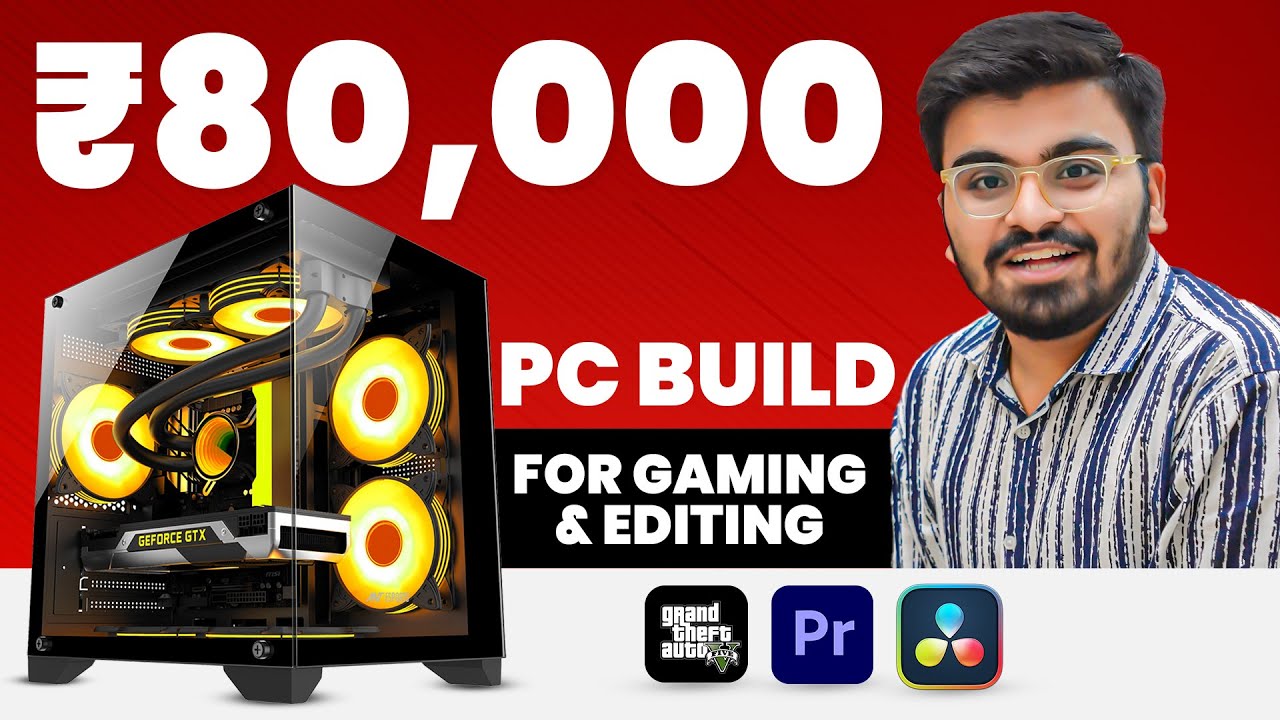


10 Best Editing PCs For 4K Video In 2026 StrongMocha Top 4k Video Editing Pcs 523a8 800x450 . Let S Build An ULTIMATE Video Editing PC In 2025 YouTube . 80 000 RS Pc Build For Video Editing 4k Video Editing PC Build 2026 . Best Video Editing PC Build In India 2026 Intel Ultra5 Corsair DDR5 . Best PC For 2026 For All Purposes From Coding To Gaming To Video AC SL1500


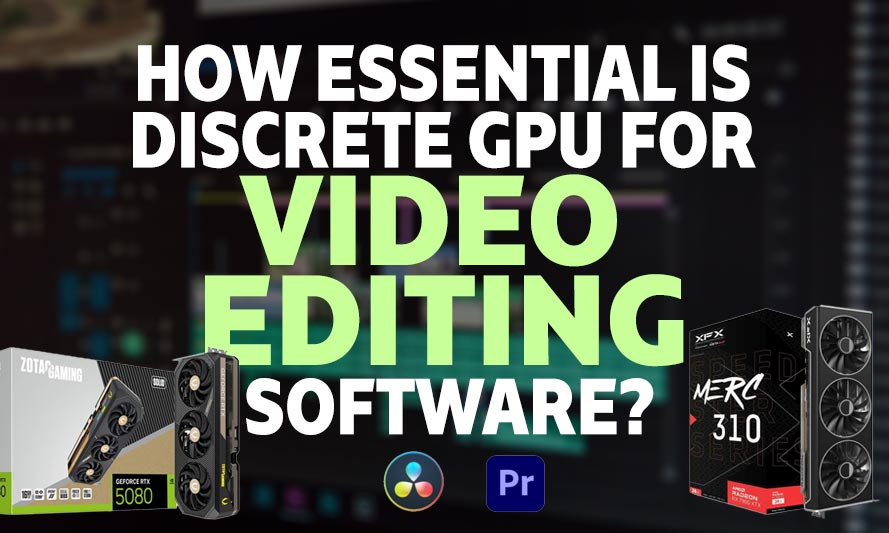

My 2026 CUSTOM Video Editing PC Build YouTube . Future Proof Gaming Video Editing PC Build Inside Editors 6.Future Proofing Your Gaming Video Editing PC For 2026 2028 300x200 . High Performance PC Build For Premiere Pro Editors Premiere Pro Video . Best PC Build For AI Development Machine Learning In 2026 Build My PC How Essential Is Discrete GPU For Video Editing Software . The Productive 4K Video Editing PC Build MSI Motherboard Seo


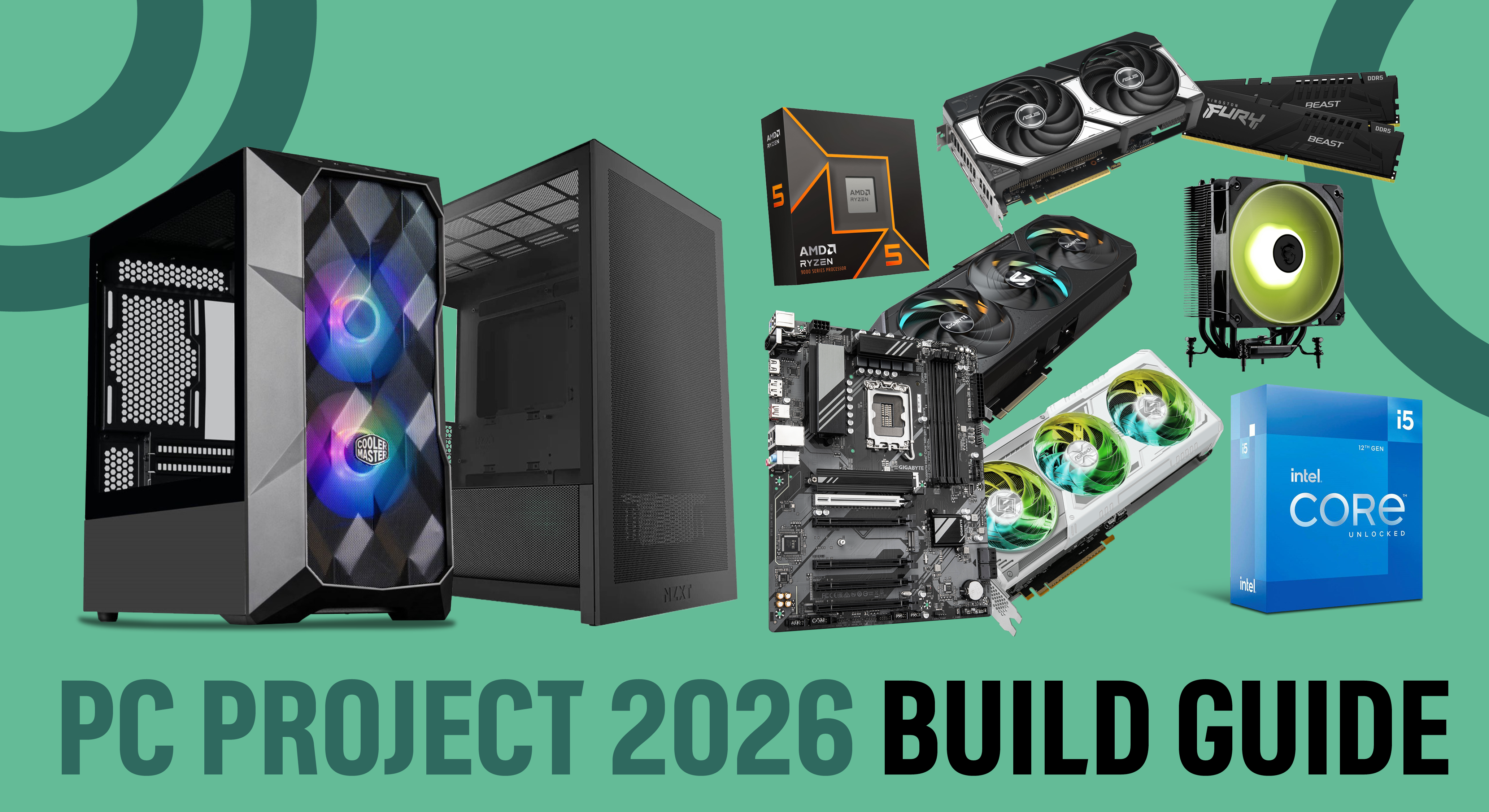
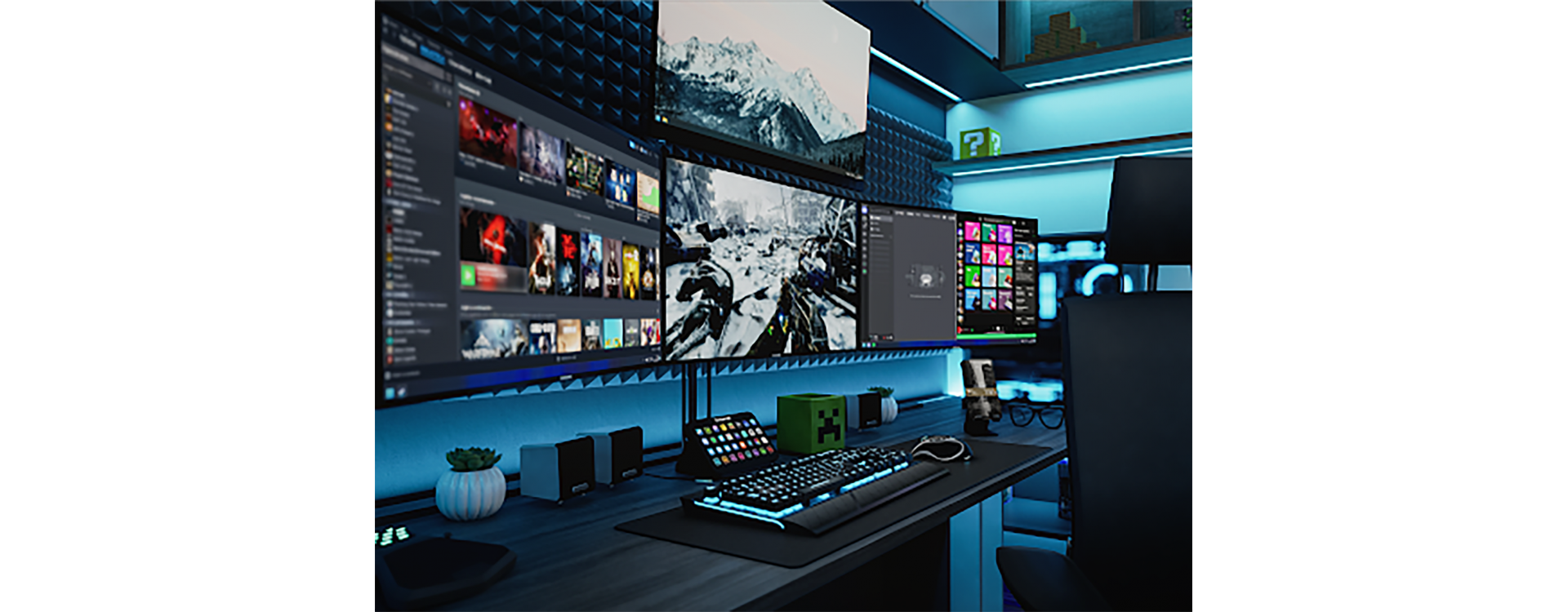

The Best Gaming PC Builds For 2026 Top Picks And Reviews Best Pc Build . Future Proof Gaming Video Editing PC Build Inside Editors 2.How To Build A Gaming Video Editing PC Step By Step . PC Project 2026 Where To Start With Building Your Own Gaming PC CCL CCL 667 BLOG BUILD GUIDE 1980x1080 . The Ultimate Gaming PC Build 2026 Guide By Xidax 1 Unnamed . BEST PC Builds For Video Editing Content Creation 2026 YouTube
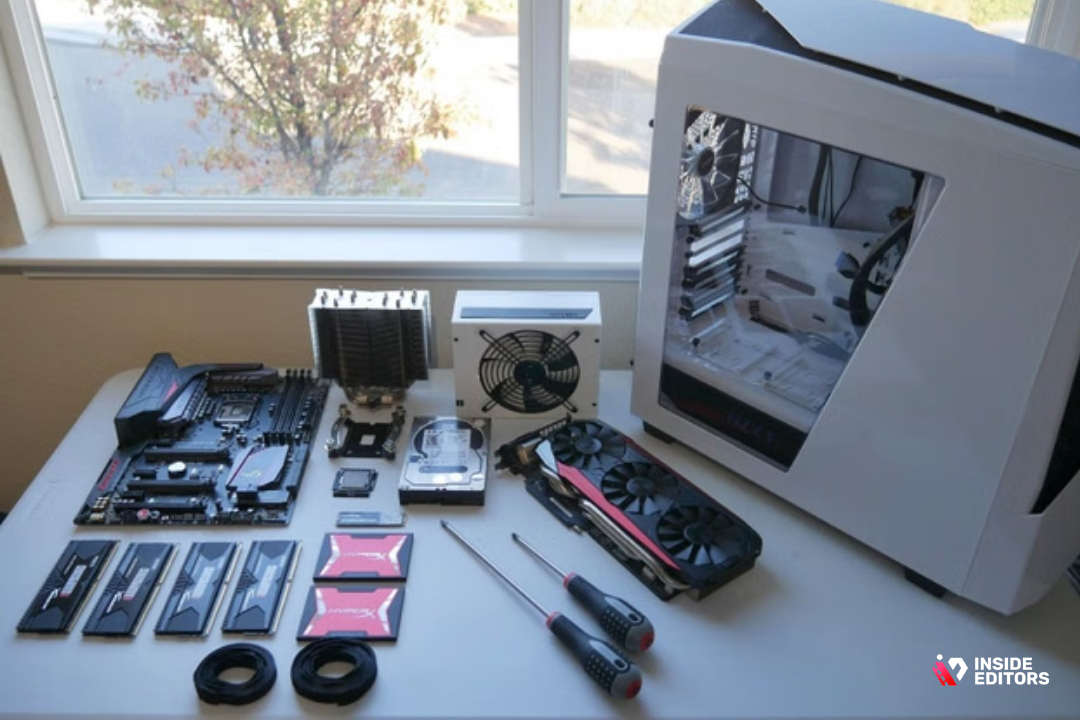

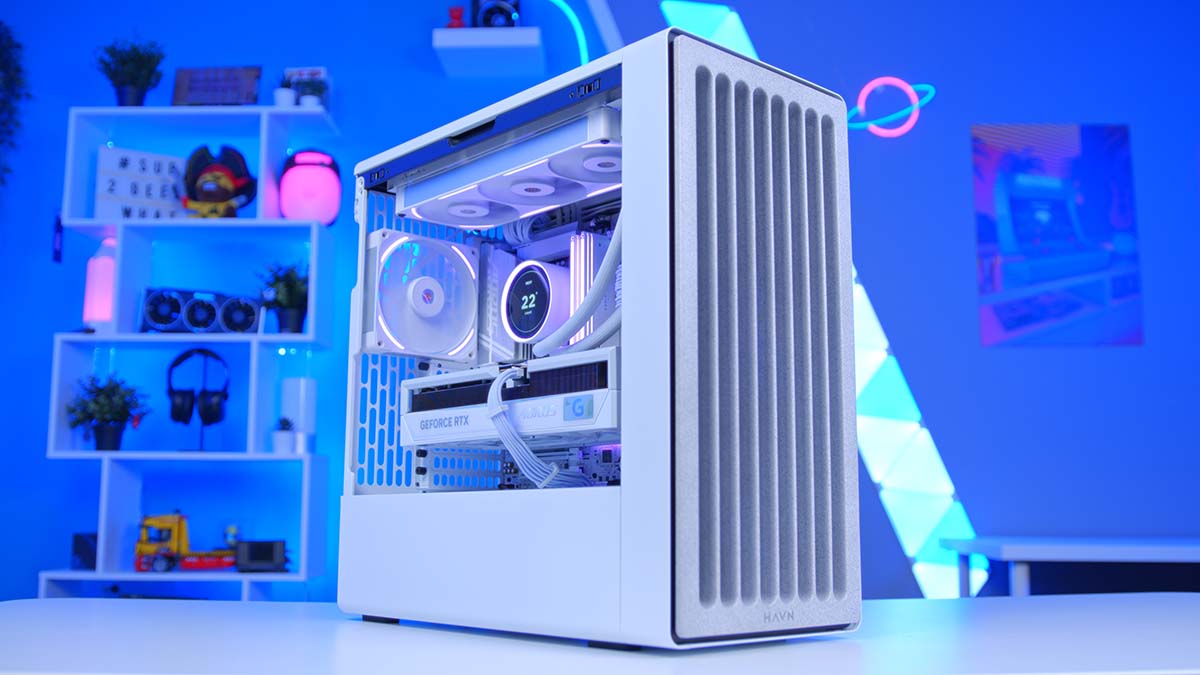


Future Proof Gaming Video Editing PC Build Inside Editors 3.Balancing Performance And Budget In 2026 . Best Gaming PC Builds For 2026 Best Gaming PC Builds For 2026.webp. Building An Enthusiast Grade PC Build For 2026 GeekaWhat FI DM87 HAVN BF RTX 5090 Build . Best PC For 2026 For All Purposes From Coding To Gaming To Video . Amazon Com MAGIX Video Deluxe 2026 Ultimate Video Editing For AC SY300 SX300 QL70 ML2
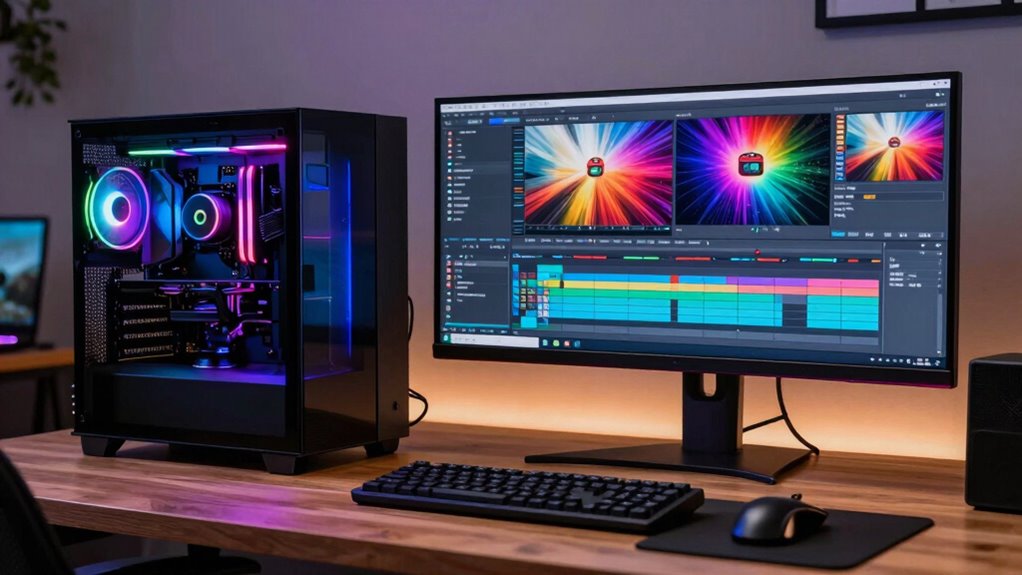


14 Best PCs For Video Editing In 2026 That Cut Editing Time StrongMocha Top Pcs For Fast Editing Xhs05 . Best Video Editing Pc Build 2025 4k Video Editing Pc Build Mixing Pc . Best Video Editing PC Build In Every Budget 2022 YouTube . Best Full Set Gaming Editing PC Build 2026 Dedicated GPU PC Under . Editing Pc Build I5 Pc Build For Video Editing Manoj Mixing YouTube