Discover what eye gaming truly means and how it revolutionizes your gameplay. Learn to reduce eye strain enhance performance and stay immersed longer. This essential guide helps busy US gamers balance their passion with life by optimizing their visual setup and practices. For the average gamer aged 36 balancing work family and play understanding eye gaming is crucial for sustained enjoyment and competitive edge. Uncover how eye tracking technology improves skills offering a smarter way to engage. We explore practical solutions for common gaming pain points ensuring you maximize fun and value for money while staying current with trends without the hype. Dive into actionable advice to protect your eyes optimize your setup and truly master the art of eye gaming for an elevated gaming experience.
What is Eye Gaming and Why is it Trending Among US Gamers?
Eye gaming encompasses the use of eye-tracking technology for game input and optimizing visual health for sustained performance. It's trending among US gamers because it addresses crucial pain points: reducing digital eye strain, enhancing immersion, and providing a competitive edge. With 87% of US gamers playing regularly, often for over 10 hours weekly, understanding how to protect their vision and improve interaction efficiency is key to maintaining their passion while balancing busy lives. It's about smart, sustainable play in an increasingly complex gaming landscape.
How Can Eye Tracking Improve My K D Ratio and Immersion?
Eye tracking significantly boosts your K/D ratio by enabling faster, more precise target acquisition. Your gaze can quickly snap to an enemy, subtly assisting your aim or highlighting threats before your hands react. This reduces milliseconds from your response time. For immersion, it makes interactions feel incredibly natural; imagine controlling a camera, interacting with an object, or selecting menu options simply by looking. This frees up traditional inputs, allowing for more complex actions and deeper engagement, making you feel more connected to the game world.
What Are the Common Eye Strain Issues Gamers Face and How Can Eye Gaming Help?
Gamers frequently suffer from digital eye strain, characterized by dry eyes, blurred vision, headaches, and neck pain. Prolonged screen time, reduced blinking, and poor screen ergonomics are culprits. Eye gaming addresses this by advocating for regular breaks (20-20-20 rule), proper monitor positioning, and optimized lighting. Eye tracking can also reduce cognitive load by making interactions more intuitive, potentially lessening mental fatigue that contributes to strain. Embracing these practices is vital for long-term eye health and comfortable gaming sessions.
Is Eye Gaming Accessible for Every Gamer or Only High-End Setups?
Eye gaming is increasingly accessible for every gamer, not just those with high-end setups. While dedicated eye trackers like Tobii Eye Tracker 5 offer advanced features, even basic webcams combined with specialized software can provide rudimentary eye-tracking capabilities. Furthermore, the principles of eye gaming—like optimizing monitor settings, taking breaks, and maintaining good posture—are free and applicable to all. Many newer games are also integrating eye-tracking support, making the technology more mainstream and user-friendly for a broader audience.
How Do Eye Tracking Peripherals Work and Which Ones Are Best for Casual Gamers?
Eye tracking peripherals typically use infrared sensors and cameras to monitor your eye movements, converting them into digital input. They track your gaze direction and pupil dilation to understand where you're looking on the screen. For casual gamers, ease of use and affordability are key. The Tobii Eye Tracker 5 is a popular choice, offering robust performance and compatibility with many modern games. Less expensive options might include software-based solutions that utilize your existing webcam, though these may offer less precision. Always prioritize reviews for setup simplicity and in-game performance.
What Role Does Eye Gaming Play in Esports and Professional Play?
In esports, eye gaming is a critical tool for performance analysis and gaining a competitive edge. Professional players use eye tracking to analyze their gaze patterns, identifying where they focus, how quickly they react to stimuli, and what they might be missing. This data helps them refine their strategies, improve their situational awareness, and optimize their decision-making under pressure. It's also used in broadcasting to provide viewers with insights into a pro player's thought process, enhancing the viewing experience and making esports even more engaging and educational.
How Can I Integrate Eye Gaming Practices Into My Busy Schedule Without Sacrificing Playtime?
Integrating eye gaming into a busy schedule means making smart, efficient adjustments rather than sacrificing playtime. Utilize natural breaks, like loading screens or between matches, for quick eye exercises or looking away for 20 seconds. Optimize your setup for ergonomics once, so it benefits you consistently. Choose games that support eye tracking for intuitive control, reducing effort. Focus on quality over quantity for your sessions. By being mindful of your visual health and leveraging technology, you ensure your limited gaming time is more enjoyable, productive, and sustainable, rather than cutting it short.
Are you feeling that familiar eye fatigue after a long raid or grinding session? Do you ever wonder how professional gamers maintain their sharp focus and quick reactions without constant discomfort? You're not alone. For many US gamers, with an average age around 36, balancing a passion for gaming with demanding jobs, family life, and other responsibilities is a daily challenge. We value relaxation, fun, skill-building, and social connections through gaming, but often struggle with common pain points like setup issues, performance drops, or simply finding the time to play efficiently. This is precisely where understanding what is eye gaming becomes a game-changer.
Eye gaming isn't just a buzzword; it's a comprehensive approach to optimizing your visual input and output in the gaming world. It encompasses everything from leveraging advanced eye-tracking technology to adopting smart habits that protect your vision and enhance your performance. In 2026, where 87% of US gamers play regularly, often dedicating 10+ hours a week, and mobile gaming continues its dominance alongside PC and console cross-play, eye health and efficient interaction are more critical than ever. This guide will help you cut through the hype, offering practical solutions to elevate your experience, reduce strain, and ensure your gaming journey is as enjoyable and sustainable as possible.
What Exactly is Eye Gaming?
Eye gaming refers to the holistic concept of optimizing a gamer's visual interaction with their digital environment. At its core, it involves two main aspects: utilizing eye-tracking technology as a direct input method and implementing practices and setups that promote optimal eye health and visual performance. Think of it as tuning your most crucial gaming sensor – your eyes – for peak efficiency and longevity. It's about being smarter with how you see and how your game responds to your gaze, enhancing both immersion and control.
Why Should Busy Gamers Care About Eye Gaming?
For the average US gamer balancing work and life, eye gaming offers direct solutions to common frustrations. It means reducing the digital eye strain that leads to headaches and fatigue after limited play sessions, allowing you to make the most of your precious gaming time. With eye tracking, tasks like targeting enemies, navigating menus, or controlling camera movements can become more intuitive and faster, potentially saving you valuable seconds in competitive play or simply making exploration more fluid. It's about getting more value from your limited playtime and ensuring your eyes can keep up with your passion for years to come.
How Does Eye Tracking Technology Enhance Gameplay?
Eye tracking technology elevates gameplay by offering an additional, natural input method. Instead of relying solely on a mouse, keyboard, or controller, your gaze can perform actions. For instance, in a flight simulator, you might look at an instrument panel to interact with it, or in a shooter, your eyes could subtly assist your aim, making targeting more precise. This dynamic interaction creates deeper immersion, making the game feel more responsive and intuitive. It can also improve accessibility for players with limited motor skills, broadening the gaming community. Games like Star Citizen already demonstrate the power of gaze interaction for cockpit controls and spatial awareness.
What Are the Best Practices for Reducing Eye Strain While Gaming?
Reducing eye strain is paramount for sustainable gaming. First, follow the 20-20-20 rule: every 20 minutes, look at something 20 feet away for at least 20 seconds. Second, ensure your monitor is at arm's length, and its top edge is at or slightly below eye level. Third, adjust your monitor's brightness to match your room's lighting, and consider using a monitor with a low blue light mode or flicker-free technology. Fourth, take regular breaks, stand up, stretch, and blink frequently to keep your eyes moist. Lastly, invest in good room lighting to avoid harsh contrasts between your screen and surroundings.
Can Eye Gaming Improve My Performance and Reaction Time?
Absolutely, eye gaming can significantly boost performance and reaction time. By using eye-tracking for targeting or context-aware interactions, you can reduce the cognitive load on your hands, allowing them to focus on movement and complex commands. This can lead to faster target acquisition, improved spatial awareness, and quicker decision-making. Imagine a tactical shooter where your character peeks around a corner as your eyes glance that way, or an RTS where your gaze snaps to an incoming threat before your mouse even moves. This efficiency can shave milliseconds off reaction times, which is crucial in fast-paced or competitive titles, especially when 87% of US gamers value competitive elements.
What Gear Do I Need for Optimal Eye Gaming?
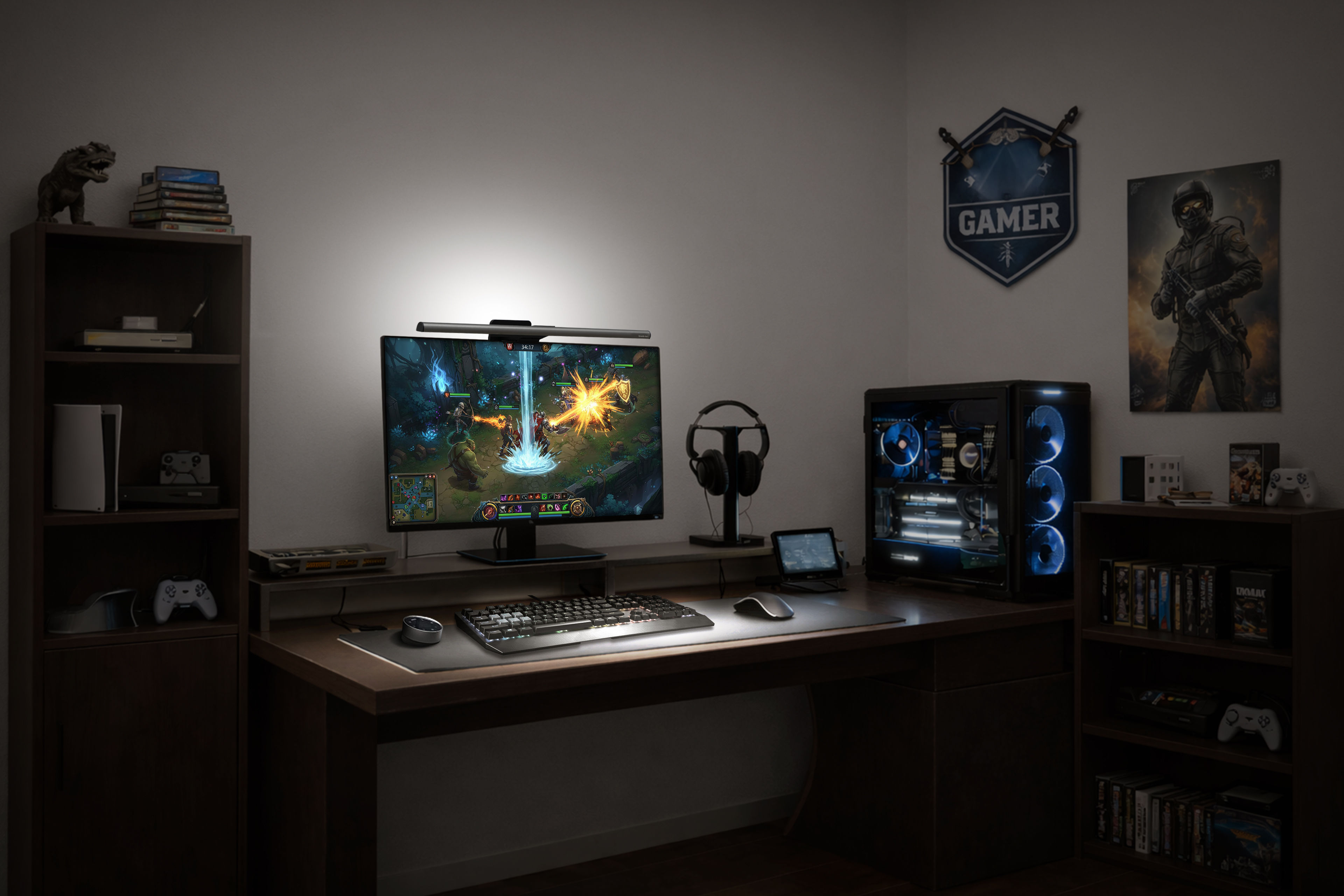
You don't need to break the bank for optimal eye gaming, but certain gear helps. Start with a good quality monitor: look for flicker-free technology, low blue light settings, and a high refresh rate (120Hz or more) to reduce motion blur. For eye-tracking input, devices like Tobii Eye Tracker 5 or compatible webcams (with software) are excellent entry points. A comfortable gaming chair and an ergonomically positioned desk are also key to maintaining proper posture, which indirectly reduces neck and shoulder strain that can impact eye comfort. Don't forget proper room lighting – an ambient light source behind your monitor can prevent eye fatigue.
How Do I Balance Eye Gaming Health with My Daily Life?
Balancing gaming with life means making smart choices. Integrate mini-breaks into your play sessions, perhaps during loading screens or between matches, to perform eye exercises or simply look away. Schedule your gaming time consciously, treating it like any other important activity to avoid excessive, unplanned sessions. Utilize game features like quest logs or in-game timers to manage your time efficiently. Prioritize sleep, nutrition, and hydration, as these all directly impact eye health and cognitive function. Remember, gaming should enhance your life, not detract from it. Even with mobile gaming's dominance, mindful play applies across all platforms.
What Does the Future Hold for Eye Gaming?
The future of eye gaming is incredibly exciting. Expect deeper integration of eye-tracking into game engines, leading to more natural user interfaces, dynamic difficulty adjustments based on player focus, and even AI companions that respond to your gaze. Accessibility will continue to improve, making gaming more inclusive for everyone. VR and AR experiences will heavily leverage eye tracking for foveated rendering, delivering stunning visuals only where you're looking, saving computing power. As technology advances, eye gaming will become an invisible, intuitive part of our interaction with virtual worlds, further blurring the lines between player and game.
In conclusion, understanding what is eye gaming is no longer optional; it's essential for any serious US gamer looking to maximize enjoyment, performance, and long-term eye health. By embracing smart practices and leveraging new technologies, you can transform your gaming experience from a potential source of strain into a sustainable, highly immersive, and genuinely rewarding hobby. From reducing fatigue during those 10+ hours a week of play to gaining a competitive edge, the benefits are clear.
What's your biggest gaming challenge related to eye health or performance? Comment below and let's help each other game smarter!
FAQ Section
Is eye gaming only for professional esports players?
No, eye gaming is beneficial for all gamers, not just pros. While esports players gain a competitive edge from precise eye tracking, casual gamers benefit immensely from reduced eye strain, improved immersion, and a more intuitive control experience that makes gaming more enjoyable and sustainable.
What is blue light protection in gaming monitors?
Blue light protection refers to features in gaming monitors that filter out a portion of the blue light emitted by screens. Excessive exposure to blue light, particularly in the evening, can disrupt sleep and contribute to eye strain. These modes adjust the color temperature to a warmer hue, making it more comfortable for extended use.
Does a higher monitor refresh rate truly help with eye comfort?
Yes, a higher monitor refresh rate (e.g., 144Hz vs. 60Hz) significantly contributes to eye comfort. It results in smoother motion and less screen flickering, which reduces motion blur and makes it easier for your eyes to track on-screen action, thereby minimizing fatigue during intense gaming sessions.
Can eye gaming help with motion sickness in VR?
Eye tracking in VR can help alleviate motion sickness through a technique called foveated rendering. This technology renders the area you're directly looking at in high detail, while the periphery is rendered at lower quality. This reduces processing load and can contribute to a more stable, comfortable visual experience, especially in fast-moving VR environments.
Are there exercises I can do to improve my gaming eyesight?
While eye exercises won't change your prescription, they can improve comfort and focus. The 20-20-20 rule is excellent for breaks. Other exercises include focusing on near and far objects, eye rolls, and palming (covering eyes with hands). These help relax eye muscles and improve circulation, reducing fatigue during long gaming sessions.
How does eye gaming relate to accessibility in gaming?
Eye gaming is a powerful tool for accessibility. Eye tracking can provide alternative input methods for players with limited mobility, allowing them to navigate menus, aim, or interact with games using only their gaze. This opens up gaming worlds to a wider audience, making interactive entertainment more inclusive for everyone.
Understanding Eye Gaming its benefits for visual health performance and immersion Eye tracking technology and its impact on modern gaming Practical tips for reducing eye strain and fatigue during long sessions Gear recommendations for optimizing your eye gaming setup The future of eye gaming and accessibility features Balancing intense gaming with daily life and responsibilities
34



10 Much Awaited Games Set To Launch In 2026 Games To Launch 2026 1068x672 . Video Games 2026 Key Trends Shaping The Future Of Play Mavigadget Blog . Top 10 Most Anticipated Games Of 2026 What To Watch Out For TVN GAMES IN 2026 . The Must Watch 2026 Video Game Release Calendar Exciting Release Calendar For Upcoming Games In 2026 1024x585 . Jadwal Rilis Video Game 2026 Deretan Game Baru Siap Mengguncang Industri Pragmata2 17bad 484543a1




2026 Upcoming Games And Game Release Dates Guide 2026 Upcoming Games Release Dates . 2026 In Gaming Releases What Are We This Year Blogs 2026 Gaming 2 . 20 Most Anticipated Video Games Of 2026 Page 18 1200x675 . From Gaming To Dual Focus Evolving Strategies In 2026 LevelUpTalk Gamers 02 03 2026 435585de 9b0c 4d4c B715. AI In Web3 Gaming 2026 Trends Tools Pool Party Nodes News Image 1536x1024




Union Budget 2026 Gaming Sector Eyes Make In India Boost Post RMG Reset Gemini Generated Image. Beam Eye Tracker By Eyeware Webcam Eye Tracker For Gaming Recording . Video Games 2026 Ones To Watch Part 2 Quest Daily 2026 Games Pt 2 . Best Gaming Lighting Ideas From RGB To Eye Friendly Setups BenQ US Cozy Gaming Setup. Here Are 5 BIG GAMES Coming In 2026 What New Games In 2026 Are You Media

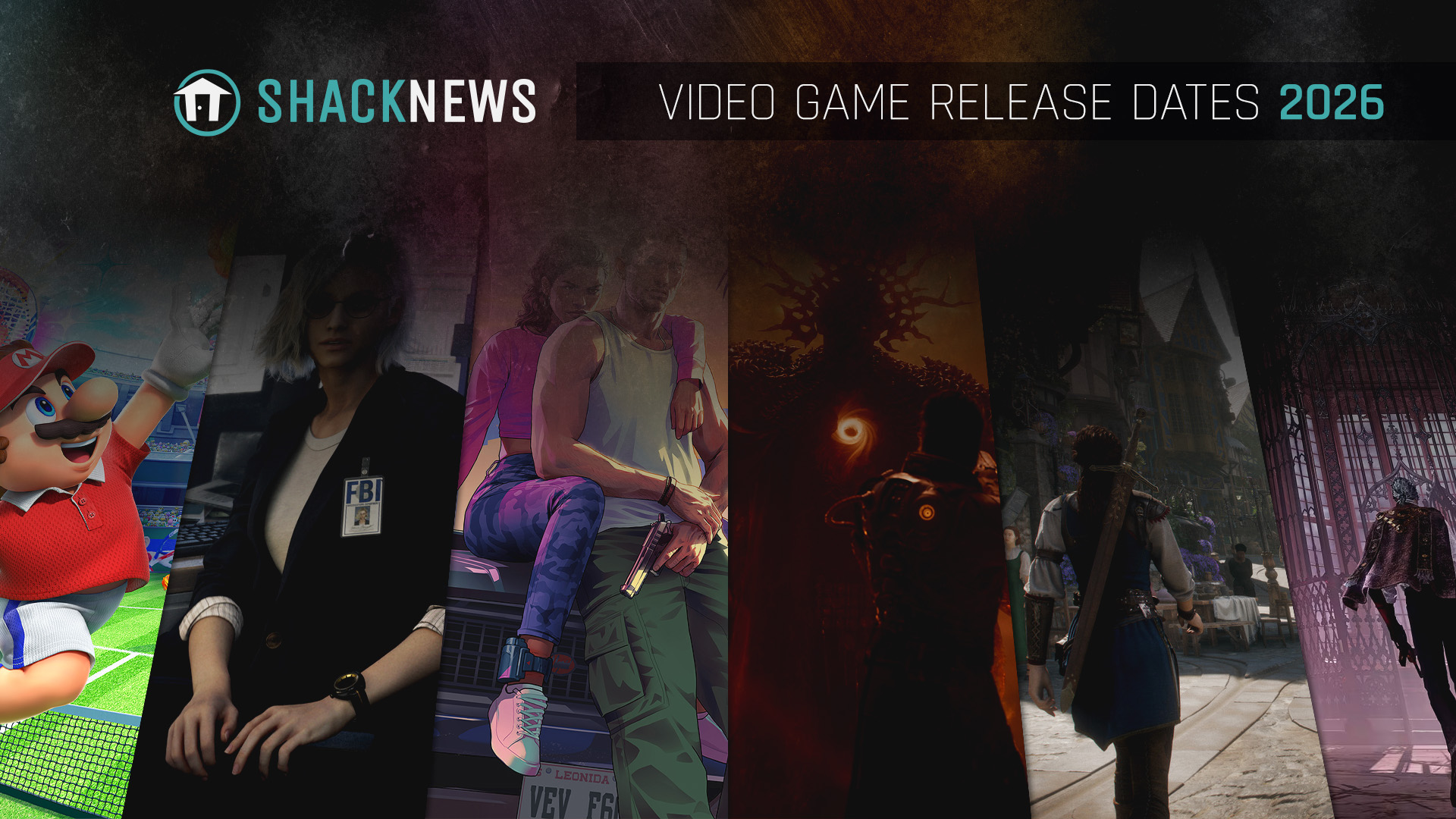

Gaming In 2026 What S In Store In The Post RMG Era SOC 100 . The First Gaming Showcase Of 2026 Has Been Revealed And It S As Soon Large . Gaming And Dry Eye Disease How To Protect Your Vision During Long Sessions Gaming And Dry Eye Disease How To Protect Your Vision During Long. 2026 Video Game Release Dates Calendar Shacknews 2026 Video Game Release Dates Calendar Feature Image Feature . Free And Eyes Templates Canva Canva Modern Eyes Gaming Logo BUV5q08geXE
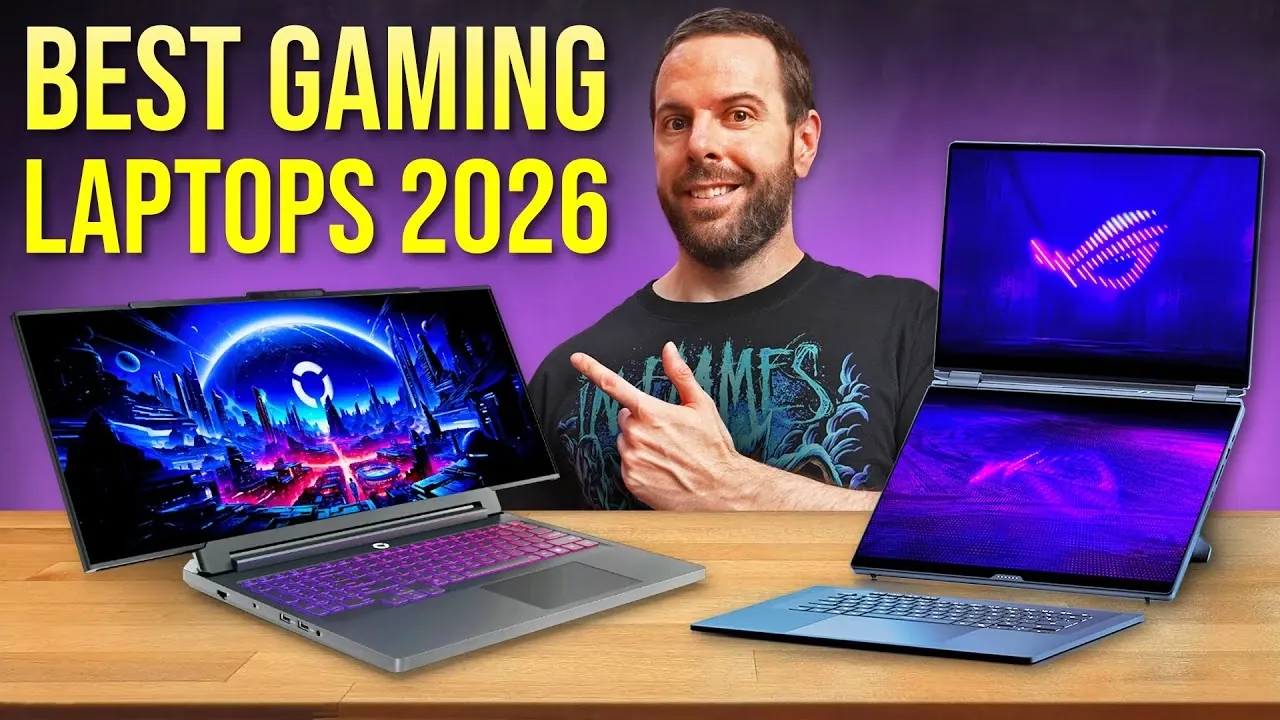



Best Gaming Laptops At CES 2026 RTX 5090 Options Dual Screen Picks Lenovo Legion Pro Rollable Concept. Xbox Game Showcase 2026 Trailers Release Dates TAFT Independent 2026 Video Game Release Dates Post Feature Image . February 2026 Mobile Game Releases Top Titles For Android And IOS . The 3 Best Gaming Mice Of 2026 Precision Performance The 3 Best Gaming Headsets Of 2026 . Features Eurogamer Net 2026 Gaming Resolution




Experience The Future Of Vision At CES 2026 EyeChips Invitation . Top Gaming Events Of 2026 Where The Future Of Game Development Is Top Main Gaming Events 2026 . OpTic Gaming 2026 Jersey Collection The Gaming Wear Optic Gaming 2026 Jersey Collection . 2026 Card Game Release Schedule Card Gamer Cg 2026 Releases . Next Level Gaming The Most Anticipated Games Of 2026 You Can T Miss Gemini Generated Image


2026 Gaming PNG Transparent Images Free Download Vector Files Pngtree Pngtree Fun Flat Colorful 2026 Gaming Theme With Game Controller Png Image. The 3 Best Gaming Mice Of 2026 Precision Performance The 3 Best Gaming Keyboards Of 2026 . Gaming In 2026 What S In Store In The Post RMG Era Gaming Tech Outlook 2026 G3 . CES 2026 Novit PC Gaming E AI Di NVIDIA AMD E Intel CES 2026